360DC Supply Special Finishes to Superyacht Sector
Special-Finish Materials for Superyacht Interiors: Japanese Woven Copper and Artisan Surfaces.
Japanese Woven Copper and Artisan Surfaces
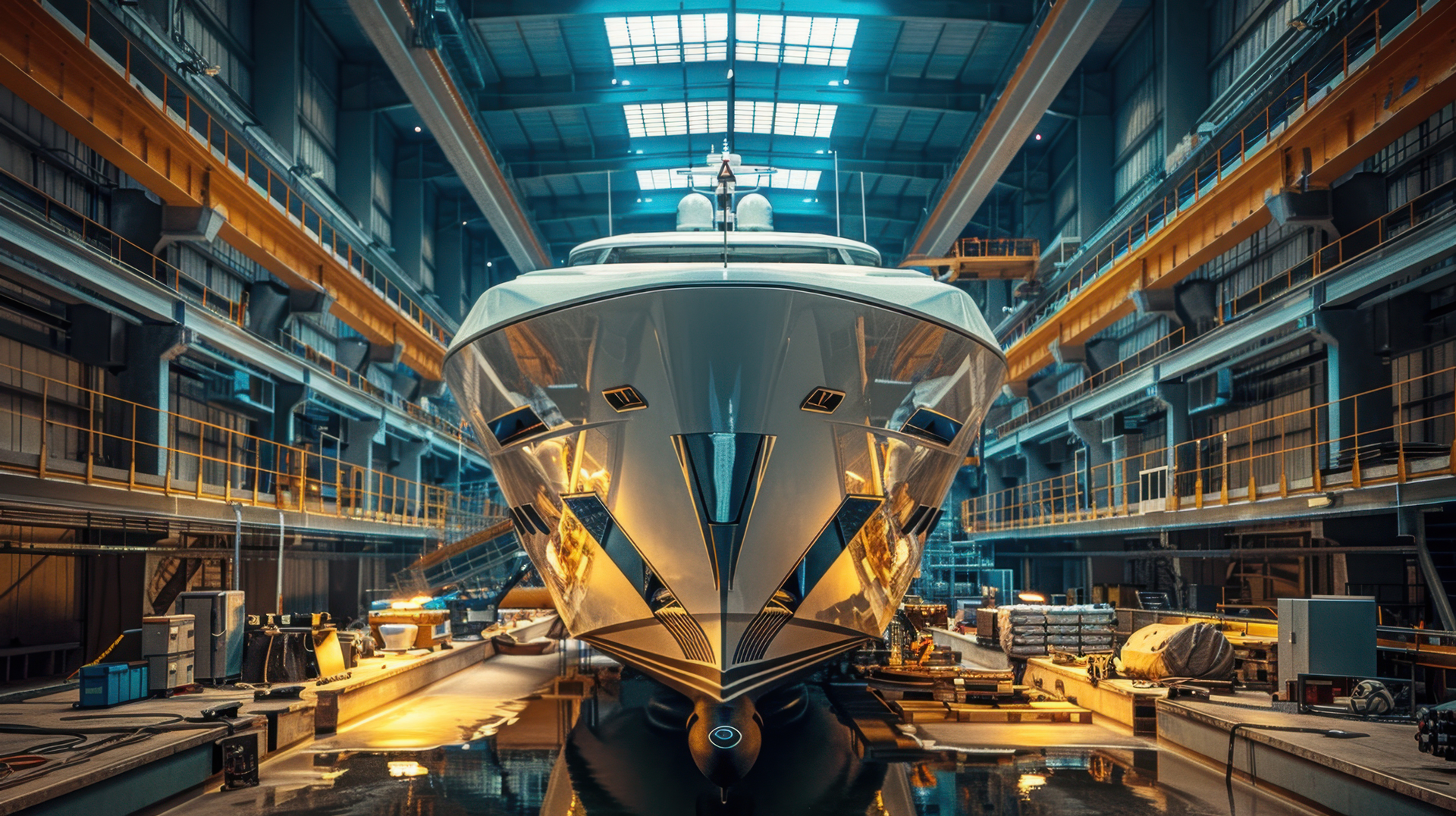
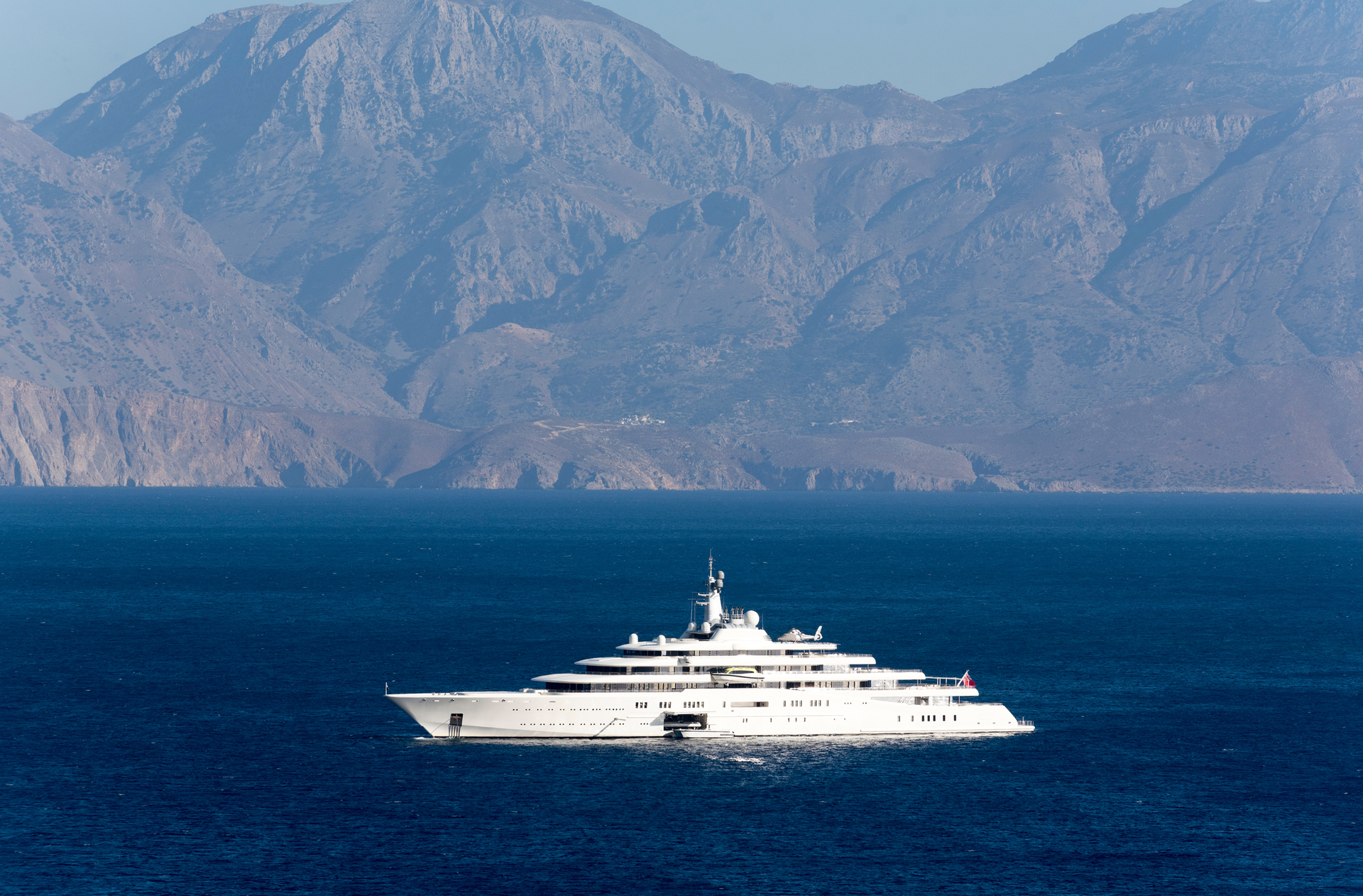
Luxury in a superyacht interior is created through the quality of the design, the precision of the installation and the choice of materials that feel individual to the owner. The most memorable spaces often contain details that cannot be selected from a conventional catalogue.
For 360 Design Consultants, the search for distinctive interior materials led to meeting CIPANGO at the Surface Design Show in 2023 and again at Clerkenwell Design Week in 2024. CIPANGO are a specialist platform connecting architects, designers and project professionals with selected artisans in Kyoto and other craft-rich regions of Japan. These makers apply established skills in weaving, metalwork, wood, paper and decorative finishing to contemporary projects.
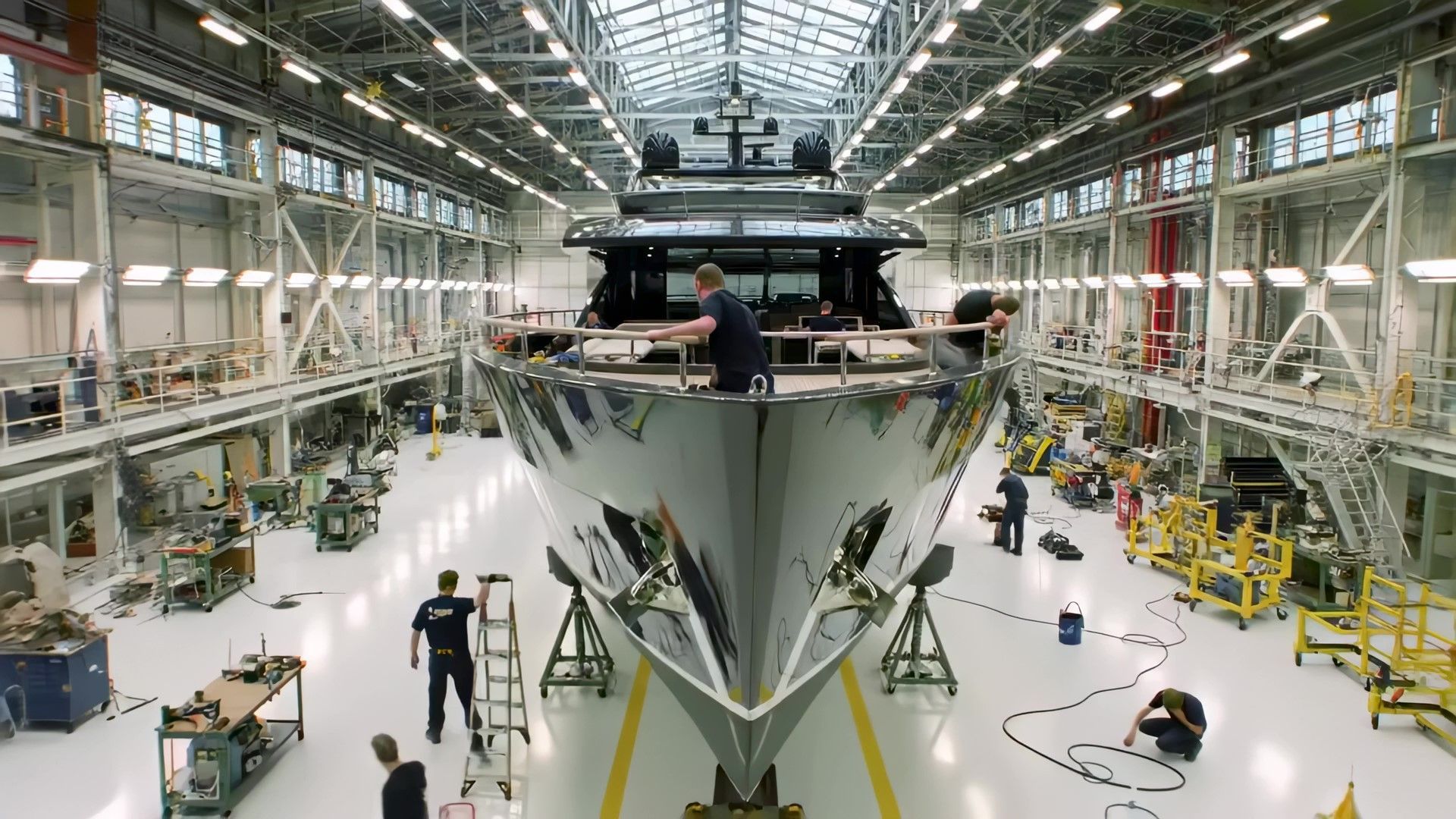
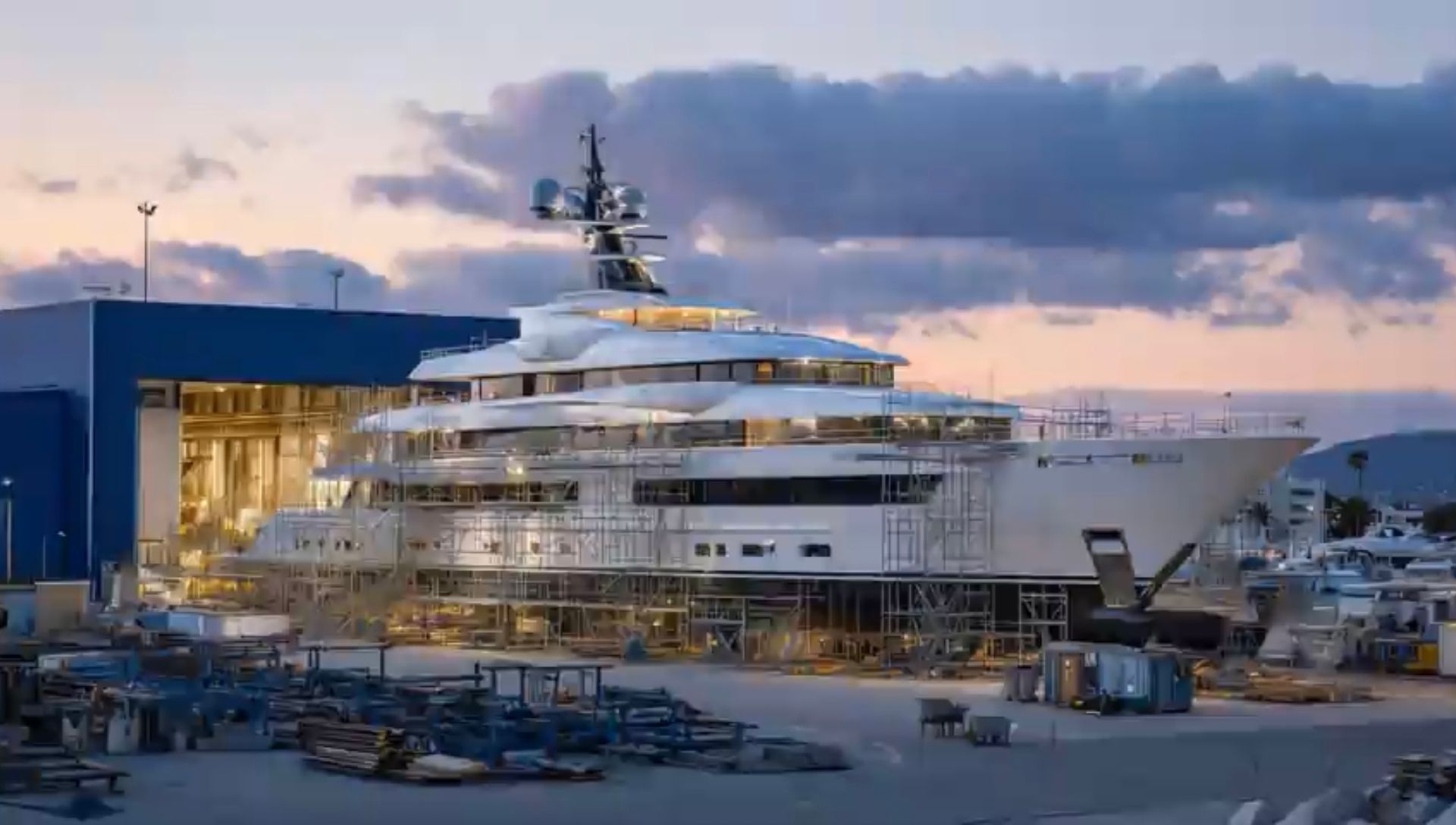
That relationship recently generated a confidential enquiry from a specialist European marine-interiors contractor seeking procurement support for Harigane woven copper mesh for a high-end yacht project. We will not identify the contractor, shipyard or vessel. The enquiry is important because it demonstrates practical interest within the European superyacht supply chain in materials that sit beyond the usual surface and finish collections.
Copper woven like a textile
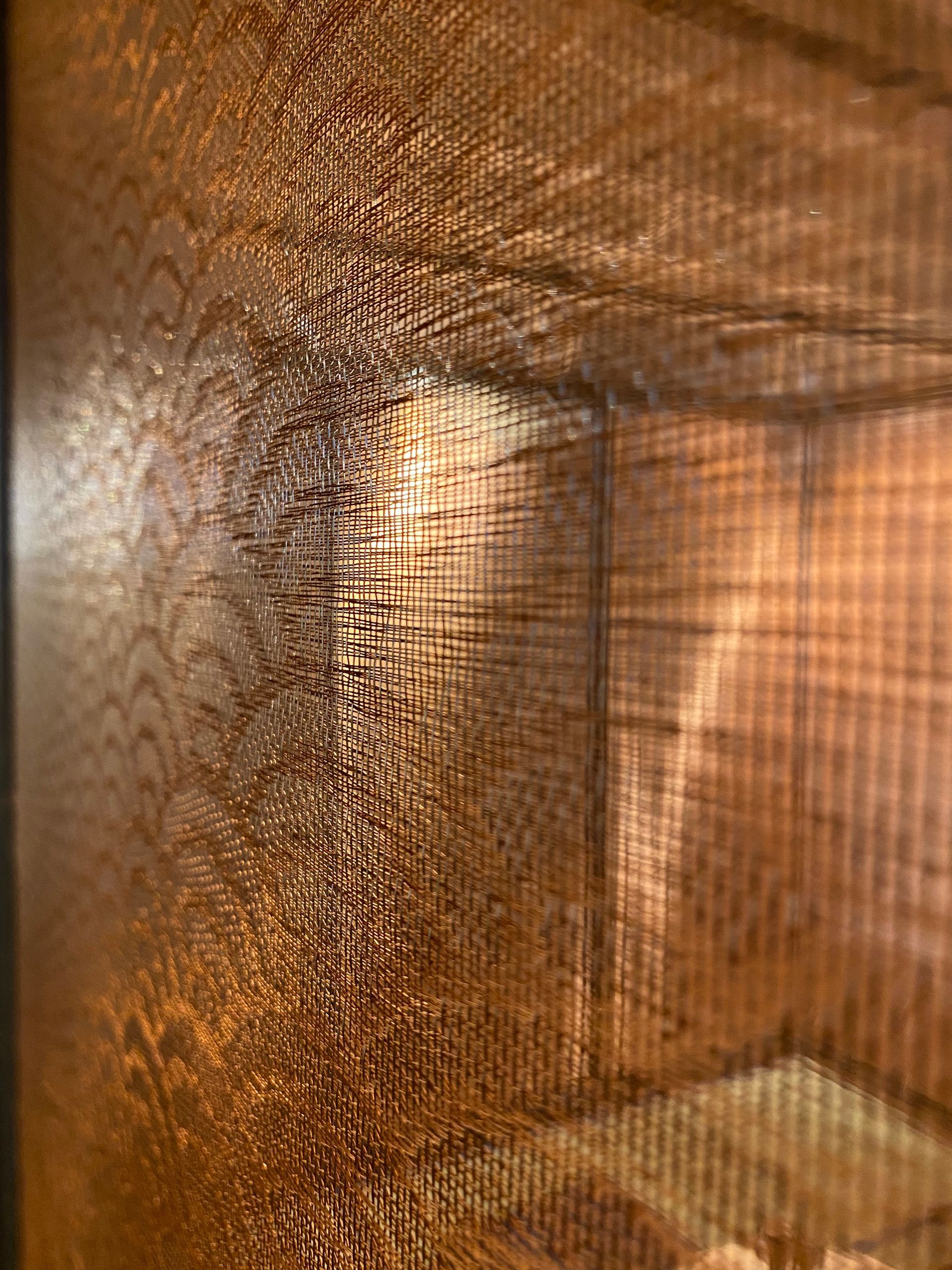
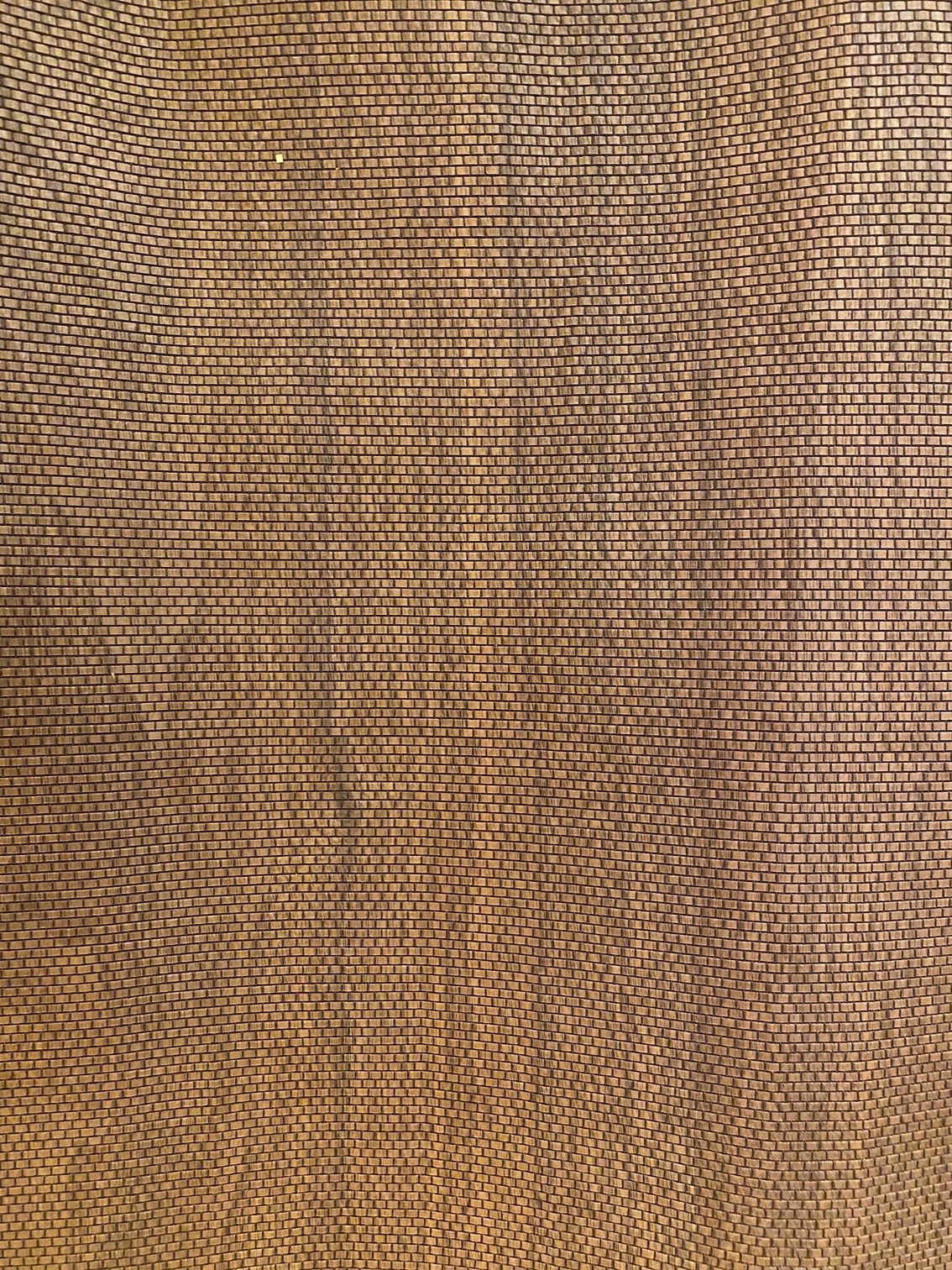
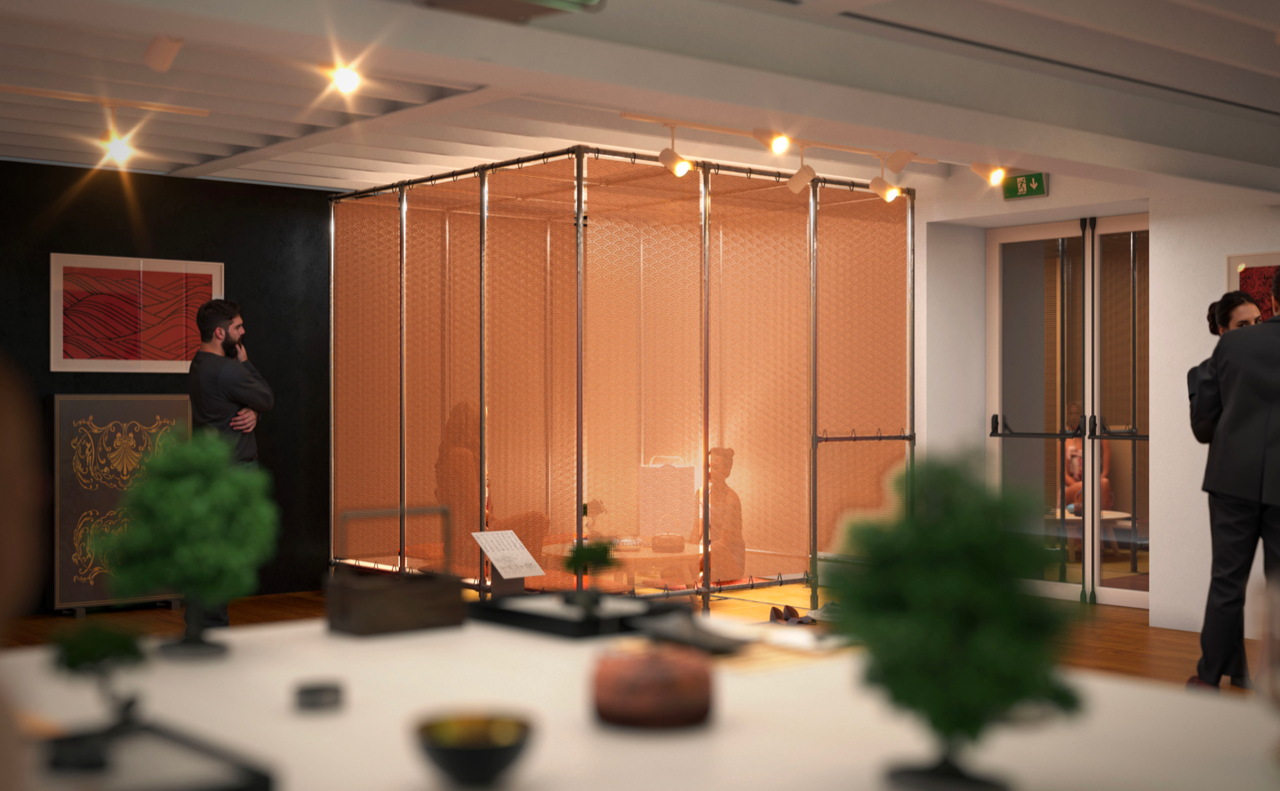
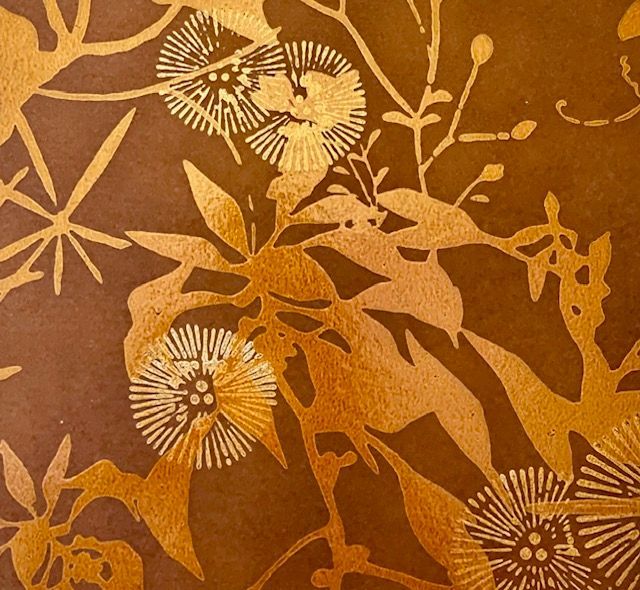
Harigane creates metal fabric by weaving fine stainless-steel and copper threads on specialist machinery derived from traditional textile production. The material retains the rhythm and movement of cloth while introducing the reflectivity, precision and surface character associated with metal.
Light moves across the weave as the viewing angle changes. Depending on the selected pattern, the mesh may appear structured and architectural, soft and fluid, or almost translucent when positioned in front of illumination or a contrasting substrate. This makes it especially interesting for interiors in which material depth matters as much as colour.
The collection includes several distinctive patterns. Dobby 1 combines stainless steel and copper in a disciplined geometric weave. Uzu interprets the movement of whirls, while Nami refers to waves. Tate-waku draws upon a historic Japanese pattern formed by rising, curving lines. Published product information currently identifies a nominal width of 1,200 mm across these designs, although dimensions, finishes, quantities and lead times should always be confirmed for the individual project.
Potential applications within a yacht interior
Woven metal can be treated as a surface, a screen or an artistic component. Its suitability depends upon the chosen location and the way in which it is framed, backed, tensioned and protected. Possible design studies may include:
- Backlit feature panels and decorative art installations;
- Cabinet, wardrobe, bar and furniture inserts;
- Framed screens and space-defining partitions;
- Ceiling details and illuminated overhead features;
- Decorative grilles, niches and display backgrounds; and
- Bespoke panels developed around an owner's preferred pattern, colour or interior scheme.
These are design possibilities rather than blanket technical recommendations. Each application must be developed with the vessel's appointed design, outfitting and technical teams.
Why artisan materials matter in superyacht design
A superyacht is a highly personal environment. Owners and their representatives increasingly look for materials that establish identity without relying upon a familiar luxury label. Artisan surfaces can answer that brief because their value lies in the maker's knowledge, the production method and the ability to adapt a pattern or finish for the scheme.
Harigane's woven metal offers a clear example. It can introduce pattern without printing, texture without a conventional fabric and metallic character without depending on a solid sheet or applied foil. The result can be subtle or dramatic according to the lighting, backing material and scale of the installation.
CIPANGO was established to create access between international project teams and Japanese workshops whose specialist knowledge may otherwise remain difficult to reach. For an owner, designer or shipyard, that connection creates scope for a finish with a defined maker, method and cultural origin rather than a generic decorative effect.
A wider collection of Japanese special finishes
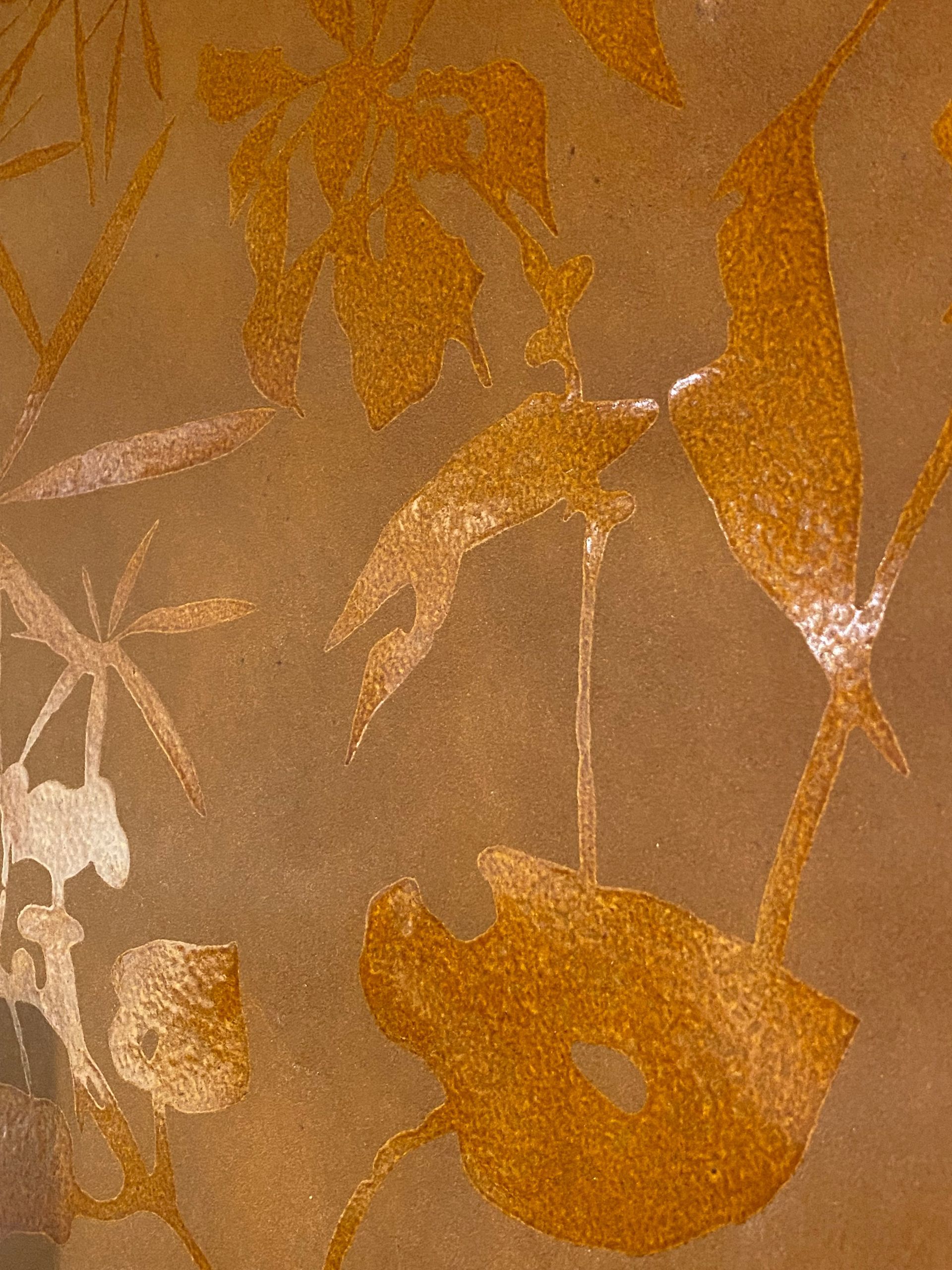
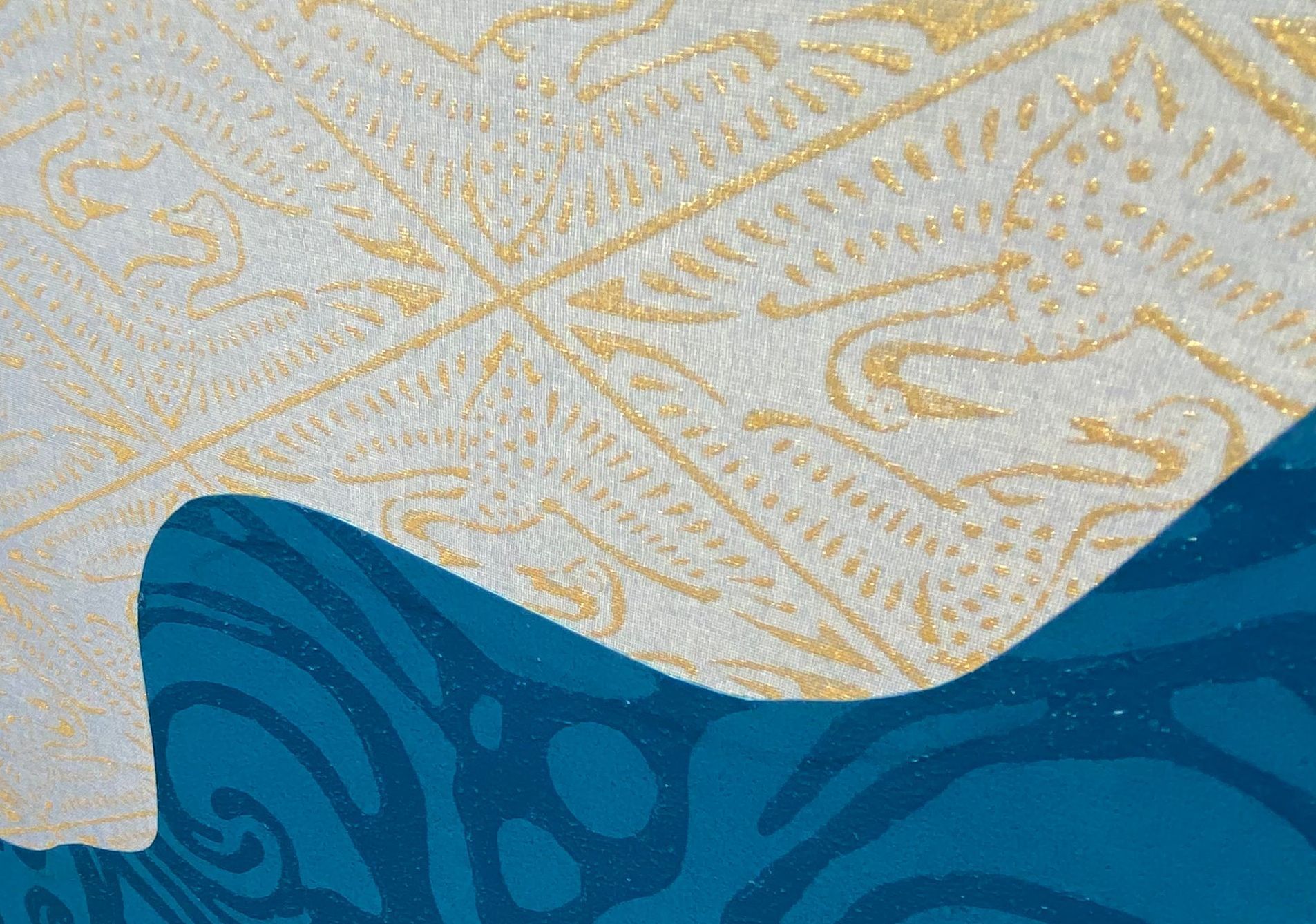
Woven copper is one part of the opportunity. Through our Japanese contacts, 360DC can also explore other Japanese materials and craft disciplines for suitable projects. The wider collection includes Tatinoya's pliable woven wood, Maruni's hand-printed karakami and decorative woodblock work, specialist ironwork and contemporary furniture made from Japanese hinoki cypress.
These materials may be relevant to feature walls, cabinetry, furniture, private suites, salons, hospitality spaces and standalone art pieces. They can also support a broader interior concept in which several finishes share a coherent Japanese influence without becoming literal or themed.
From visual interest to an approvable specification
A material selected for a residence, hotel or gallery cannot automatically be assumed suitable for installation aboard a yacht. Early technical review protects the design intent and prevents an attractive concept from reaching procurement before the practical questions have been answered.
The project team may need to consider the intended location, supporting substrate, framing and edge treatment, weight, vibration, humidity, salt exposure, cleaning, corrosion behaviour, galvanic isolation, fire and smoke performance, maintenance access and replacement strategy. The required evidence will depend upon the vessel, flag, classification requirements, shipyard standards and the exact application.
360DC can coordinate initial material research, samples, pattern and finish discussions, dimensional information, customisation enquiries and communication with CIPANGO and its artisan partners. Where testing or certification is required, the proposed material and installation build-up must be assessed against the project's stated requirements. No decorative product should be described as marine-approved without appropriate evidence for its intended use and acceptance by the responsible project authorities.
Support for shipyards and marine interior specialists
360 Design Consultants welcomes direct enquiries from shipyards, yacht designers, interior outfitters, joinery specialists, refit yards, procurement teams and Owner's Representatives. We can support early-stage material research and help move a promising surface towards a clear commercial and technical conversation with its maker.
This sourcing capability complements 360DC's interior design and visualisation services. We can contribute within a wider interior brief or act as a focused materials resource alongside the vessel's appointed designer, outfitter and technical team.
A useful initial brief will identify the intended application, approximate dimensions, desired visual effect, project programme, likely quantity and any known certification or documentation requirements. Where confidentiality is required, discussions can begin without identifying the owner or vessel and can progress under agreed confidentiality arrangements.
The recent European enquiry shows that these materials have relevance beyond residential and hospitality design. For 360DC, it also confirms a practical route into the superyacht supply chain: helping specialist project teams access uncommon finishes and the artisan knowledge behind them.
Discuss a confidential superyacht interiors project
If your project requires a woven metal surface, a Japanese artisan finish or a material that cannot be found within a standard specification library, contact 360 Design Consultants for an initial confidential discussion.
Telephone:
+44 (0)333 444 6 800
Email:
sales@3SIXTYDC.com